
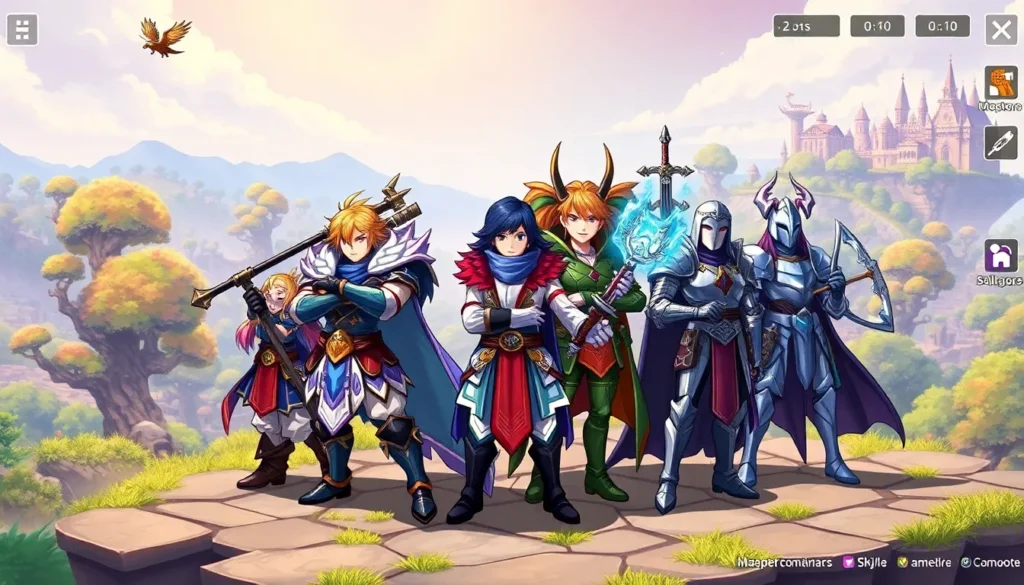

MapleStory examples showcase what makes this 2D side-scrolling MMORPG a lasting favorite among players worldwide. Since its 2003 launch in South Korea, the game has grown into a massive universe filled with diverse classes, engaging quests, and social systems that keep millions coming back. Whether someone is a returning veteran or a curious newcomer, understanding these core elements helps players get the most from their experience. This guide breaks down the key features through specific MapleStory examples, from character builds to community events.
Table of Contents
ToggleKey Takeaways
- MapleStory offers over 40 unique character classes, from classic Explorers to newer Nova and Flora options, giving players endless build variety.
- Gear progression through Star Force, Potentials, Flames, and Scrolling creates long-term goals that can take months to perfect.
- The Link Skills and Legion systems reward leveling multiple characters by providing account-wide stat bonuses.
- MapleStory examples of storytelling include the decade-long Black Mage saga and cinematic Blockbuster quests like “Black Heaven” and “Heroes of Maple.”
- Strong social features like guilds, the Auction House economy, and regular seasonal events keep the community active and engaged.
- Character customization through cosmetics, fashion shows, and outfit competitions showcases how self-expression drives player engagement.
Character Classes and Job Examples
One of the best MapleStory examples of player choice comes through its class system. The game offers over 40 distinct character classes, each with unique skills, playstyles, and storylines.
Explorer Classes
Explorers represent the original MapleStory class archetypes. Warriors like Heroes and Dark Knights excel at close combat. Magicians such as Arch Mages control elemental powers. Bowmen, Thieves, and Pirates round out this versatile group. These classes provide classic MMO experiences with modern updates.
Hero Classes
Hero classes include fan favorites like Aran, Evan, and Mercedes. Aran wields a massive polearm and chains combos together. Evan forms a bond with a dragon companion that grows alongside the character. Mercedes uses dual bowguns for fast-paced aerial combat. Each hero class connects to MapleStory’s main storyline through unique quests.
Nova and Flora Classes
Newer additions like Kaiser and Angelic Buster belong to the Nova race. Kaiser transforms into a dragon warrior during combat. The Flora classes, including Ark and Adele, bring fresh mechanics to the game. Ark shifts between specter and human forms, while Adele summons magical swords.
These MapleStory examples demonstrate how the game rewards experimentation. Players often create multiple characters to experience different combat styles and stories.
Gameplay Mechanics and Systems
MapleStory examples of gameplay depth appear across its many interconnected systems. Understanding these mechanics helps players progress efficiently.
Combat and Leveling
The game uses a simple control scheme with deep combat options. Players assign skills to hotkeys and chain them together against enemies. The level cap currently sits at 300, with distinct content phases at key milestones. Reaching level 200 unlocks the Arcane River region. Level 260 opens access to Grandis content.
Equipment Enhancement
Gear progression forms a major part of MapleStory’s endgame. Players can enhance equipment through:
- Star Force: Adds stats through a success-chance system
- Potential: Rolls random bonus effects on items
- Flames: Provides additional stat boosts
- Scrolling: Applies permanent stat increases
These MapleStory examples show how gear customization creates long-term goals. A well-enhanced weapon can take months to perfect.
Boss Battles
Boss content ranges from solo encounters to 6-player raids. Weekly bosses like Lotus and Damien challenge mid-game players. Endgame fights against Black Mage and Seren require coordinated teams and top-tier gear. Boss crystals drop as rewards and sell for in-game currency, making these fights profitable.
Link Skills and Legion
MapleStory rewards players who level multiple characters. Link Skills transfer passive bonuses from one character to another. The Legion system pools all characters’ levels into stat bonuses for the entire account. These MapleStory examples encourage building a diverse roster rather than focusing on a single main.
Popular Quests and Story Arcs
MapleStory examples of storytelling have improved dramatically over the years. The game now features fully voiced cutscenes and branching narratives.
The Black Mage Saga
The Black Mage served as MapleStory’s primary antagonist for over a decade. This storyline culminated in a massive in-game event where players worldwide fought to defeat him. The saga introduced memorable characters like the six heroes and the Commanders. It remains one of the most ambitious MapleStory examples of MMO storytelling.
Grandis Storyline
After the Black Mage’s defeat, the story shifted to the Grandis dimension. New threats like the High Flora army and Darmoor now challenge players. This storyline connects newer classes like Adele and Kain to the main plot. Grandis content provides fresh questing for high-level characters.
Blockbuster Quests
Blockbusters are instanced story experiences with cinematic presentation. “Black Heaven” puts players aboard an airship battling the Black Wings. “Heroes of Maple” follows the six legendary heroes. These MapleStory examples blend action gameplay with movie-style storytelling.
Theme Dungeons
Theme dungeons offer self-contained stories for leveling characters. Ellinel Fairy Academy, Gold Beach, and Riena Strait each provide equipment rewards and experience. They give players a break from grinding while progressing their characters.
Community and Social Features
MapleStory examples of community building set it apart from many modern MMOs. The game maintains strong social features that encourage player interaction.
Guild System
Guilds form the backbone of MapleStory’s social structure. Members can access shared storage, guild skills, and weekly flag races. Guild content like Culvert and Sharenian Underground provide group activities. Many long-term players credit their guild communities for keeping them engaged.
Trading and Economy
The Auction House allows players to buy and sell items freely. Mesos serve as the primary currency, while certain rare items trade for billions. MapleStory examples of economic activity include flipping items, crafting consumables, and farming boss drops. Some players enjoy the market gameplay as much as combat.
Events and Updates
Nexon runs regular seasonal events with unique rewards. Anniversary celebrations, summer events, and holiday content keep the game fresh. These events often include:
- Limited-time cosmetics
- Progression-boosting items
- Mini-games with prizes
- Returning content for nostalgia
Customization Options
Character appearance matters in MapleStory. Players spend hours collecting outfits, hairstyles, and accessories. The Cash Shop offers premium cosmetics, while events distribute free items. Fashion shows and outfit competitions happen regularly in player communities. These MapleStory examples highlight how self-expression drives engagement.


